DONATE NOW
 Sat, Nov 14, 2026
 Dallas, Texas


 SPONSOR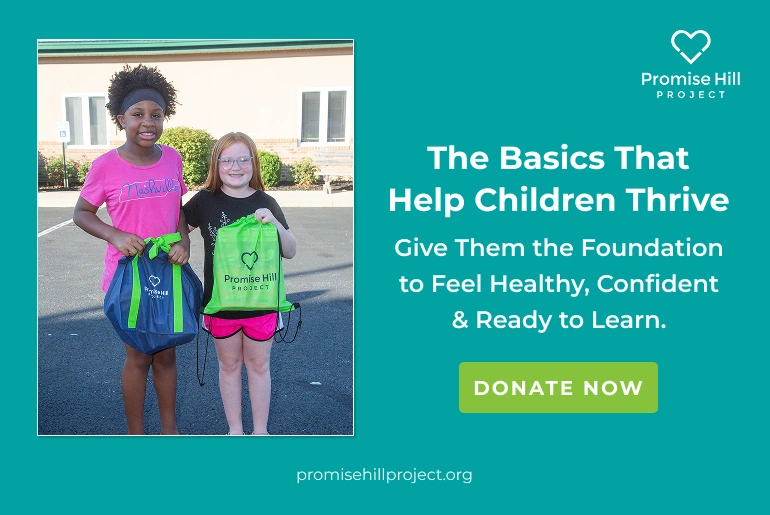
A new school year often brings excitement. Children return to familiar classrooms, meet their friends, unpack new supplies, and begin thinking about the year ahead. But for many children, being ready for school means much more than having a backpack filled with books and pencils.
Before a child can concentrate on a lesson, basic needs must be met. Do they have enough to eat? Do they have access to clean water? Do they have the hygiene products they need? Do they feel comfortable, healthy, and confident enough to participate?
These needs may not appear on a school supply list, but they can make a meaningful difference in a child’s ability to learn and thrive.
When Basic Needs Become Barriers to Learning
Hunger can make it difficult for a child to focus on a lesson. A lack of clean water can affect health and daily routines. Limited access to hygiene products can create discomfort, embarrassment, or anxiety. For some girls, the absence of safe menstrual products can even mean missing school.
The World Food Programme, notes that hunger affects children’s concentration and ability to learn, while school meal programs can improve attendance, concentration, and learning.
The same connection exists with water and hygiene. According to the latest WHO estimates, 447 million children lack basic drinking-water services at school, 427 million lack basic sanitation services, and 646 million lack basic hygiene services.
These are not simply health or infrastructure issues; they can become barriers to learning.
A Child Needs More Than a Backpack
School readiness is often measured by what a child carries into the classroom. But readiness also comes from what a child has access to at home and in their community.
A nutritious meal can provide the energy needed to get through the school day. Clean water helps protect health. Soap, toothpaste, deodorant, and other personal care essentials help children care for themselves without feeling different because their families cannot afford everyday necessities.
For girls, menstrual products are equally important. Managing a period should never mean choosing between attending school and managing a basic health need.
When these essentials are available, children can spend less energy worrying about what they lack and more energy participating in what is in front of them.
Creating the Conditions to Learn
This is where our work at Promise Hill Project goes beyond simply providing individual items. Our three core programs address different needs that can intersect in a child’s daily life.
Through our Basic Needs Program, we provide food, clean water, period products, and shelter to children and adults facing hardship. In Kenya, our work includes food for schools and children’s homes as well as clean-water initiatives.
The Personal Care Program provides essential hygiene items such as shampoo, soap, deodorant, toothpaste, toothbrushes, body wipes, and other personal care supplies. These are small items, but access to them can protect health, restore dignity, and help people feel more confident.
Our Tools for Technology helps students who lack access to essential learning technology. Laptops, printers, monitors, and other tools can help bridge the digital divide and give students greater access to information, digital learning, and skills for the future.
Together, these programs recognize something important: children cannot always focus on learning when basic needs remain unmet. Our 2025 impact numbers also show how these needs translate into action.
A meal means a child does not have to learn while distracted by hunger. Clean water means fewer barriers to staying healthy. Personal care products can help a young person walk into school with greater confidence. A period product can help a girl remain in class instead of staying home.
That is what it means to look beyond the backpack.
Bringing Back-to-School Support to the Community
This commitment came to life on August 4, 2026, when Promise Hill Project joined the Mt. Sterling Community Center’s Back-to-School event in Mt. Sterling, Ohio, for the fourth year since the partnership began in 2023. Together, we distributed 100 hygiene bags containing shampoo, conditioner, dental products, hairbrushes, deodorant, and more, along with 100 backpacks filled with four months of period products for females in need.
In total, we distributed 16,070 personal care products, including 6,400 body wipes, 320 rolls of toilet paper, 2,568 feminine pads, 3,840 feminine wipes, 500 disposable pad bags, 432 deodorants, 102 bottles of shampoo, 180 tubes of toothpaste, 864 toothbrushes, and 288 hairbrushes.
The goal was simple: to help children and families begin the school year feeling fresh, clean, comfortable, and confident. Promise Hill volunteers Sara, Kylie, Deanna, Kate, and Michelle made the event possible, supporting everything from setup and distribution to teardown and reloading while bringing a warm, welcoming spirit to the community.
Supporting Children Starts with Supporting Their Everyday Needs
Every child deserves the chance to walk into a classroom feeling ready to learn. That readiness does not begin when the teacher starts the lesson. It begins with the basic conditions that allow a child to feel safe, healthy, comfortable, and valued.
As children return to school, let’s remember that some of the most important school supplies cannot be found in a stationery aisle.
Promise Hill Project works with communities in the United States, India, and Kenya to help meet these needs with compassion and dignity. By supporting our programs, you can help remove some of the barriers that stand between a child and the opportunity to learn.
Help a child start the school year with more than a backpack. Do your bit and help Promise Hill Project instill hope, inspire dreams, and spread love.
Related posts
-
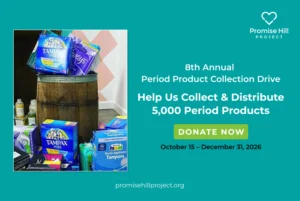 Join Promise Hill Project’s 8th Annual Period Product Collection Drive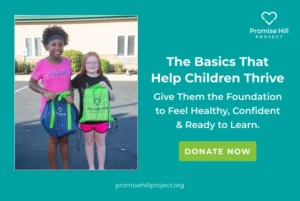
The Promise Hill Project Newsletter
Stay updated on the latest news at Promise Hill Project