
 DONATE NOW
 Sat, Nov 14, 2026
 Dallas, Texas
Community Impact Award

1st Runner Up 2024

2nd Runner Up 2025
Empower Change
Join us for Giving Tuesday
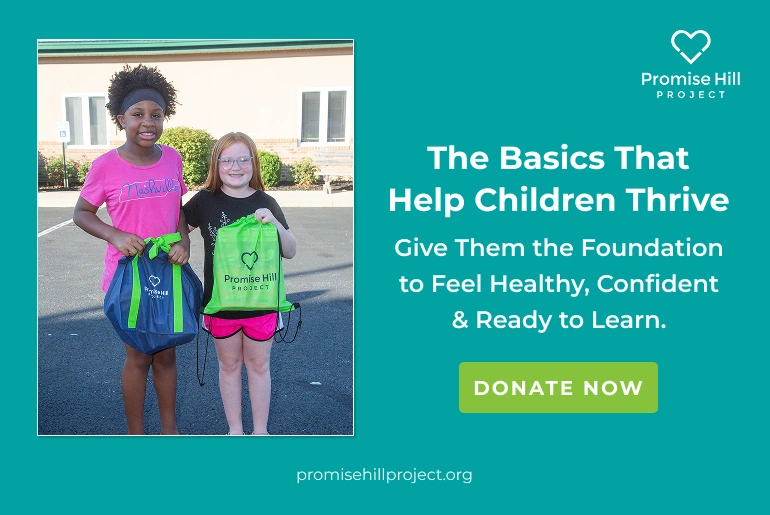
A new school year often brings excitement. Children return to familiar classrooms, meet their friends, unpack new supplies, and begin thinking about the year ahead. But for many children, being ready for school means much more than having a backpack filled with books and pencils.

Each winter, large parts of the United States face Arctic blasts, snowstorms, and icy conditions. For many people, winter means layering up, staying indoors, and waiting for warmer days. But for people experiencing homelessness, winter can quickly become a life-or-death situation.

As we celebrate International Women’s Day on March 8th, it’s crucial to recognize that ensuring women have access to basic needs is more than a matter of fairness—it’s a vital step toward societal progress. When women have access to food, shelter, healthcare, and education, they gain the foundation they need to thrive. Supporting women strengthens families, boosts economies, and enhances communities worldwide.
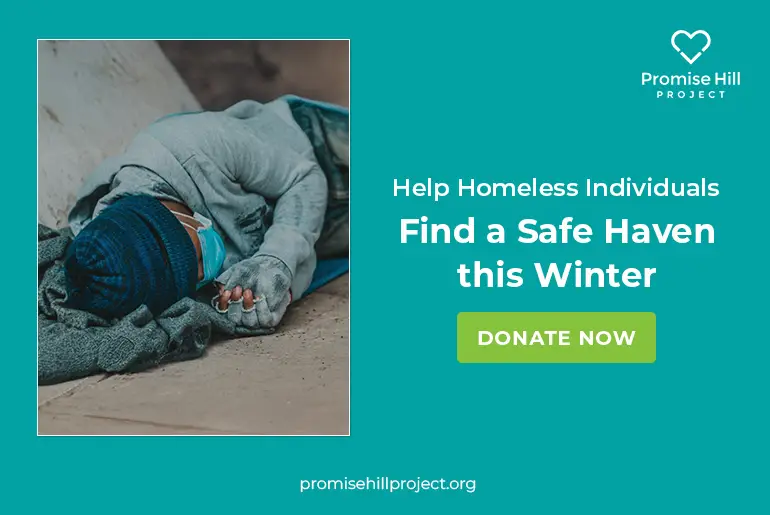
Winter can be harsh, especially for those without a roof over their heads. The frigid temperatures and biting winds pose serious health risks, including frostbite and hypothermia. For individuals experiencing homelessness, staying warm isn’t just about comfort—it’s about survival.
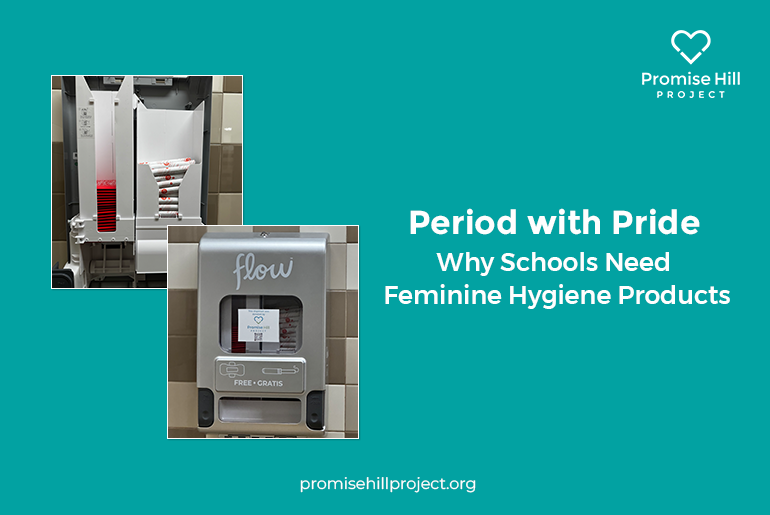
Menstruation is a natural and essential part of life for half of the world’s population. Yet, many girls across America face significant challenges when it comes to managing their periods at school. This issue is more than just a matter of comfort; it directly impacts their education, health, and emotional well-being.

Menstruation is a natural and essential process for half of the world's population. Despite this, many communities worldwide lack access to adequate menstrual hygiene products and facilities.
Stay updated on the latest news at Promise Hill Project

 SPONSOR
