
 DONATE NOW
 Sat, Nov 14, 2026
 Dallas, Texas
Community Impact Award

1st Runner Up 2024

2nd Runner Up 2025
Empower Change
Join us for Giving Tuesday
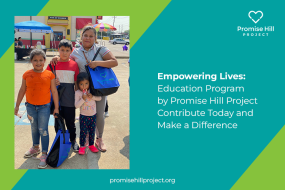
Education is a vital tool for individual and societal advancement. Yet, equitable access to quality education remains elusive for numerous children, impeding their ability to achieve their utmost capabilities.
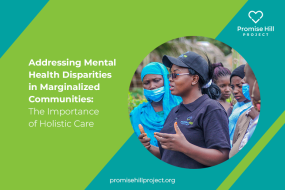
May is Mental Health Awareness Month, a time to shed light on the importance of mental health and raise awareness about the challenges individuals face. While mental health affects everyone, marginalized communities often experience greater disparities in accessing adequate care.
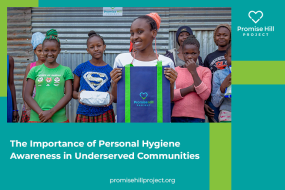
Marginalized communities face a myriad of challenges when it comes to personal hygiene. Limited access to clean water, sanitation facilities, and hygiene products makes it difficult for individuals to maintain proper hygiene practices. Additionally, cultural norms, low education levels, and a lack of awareness further compound the problem.

Menstruation is a natural and essential process for half of the world's population. Despite this, many communities worldwide lack access to adequate menstrual hygiene products and facilities.

Education and poverty are deeply interconnected. Poverty prevents access to education, and a lack of education often leads to poverty. This vicious cycle can be difficult to break, but education is one of the most powerful tools we have to break the cycle of poverty.

Do you know 41 million households in the United States suffer from food insecurity, while 13 millions of those households have children?
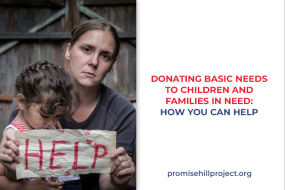
Millions of children and families live in poverty. Basic necessities like food, shelter, clothing, and medical supplies are often inaccessible to many people living in impoverished communities.

Cleaning out your closet can be daunting, but it can also be a powerful opportunity to give back to others. Donating clothes can significantly impact individuals and communities in need, providing not just clothing but also a sense of dignity and hope.

Homeless shelters provide a safe and comfortable environment for individuals struggling to make ends meet. Unfortunately, many shelters are not equipped enough to provide their residents with the necessary personal care items.

Education is a fundamental right and a crucial tool for personal and societal growth. However, not all children have equal access to quality education. Many face challenges preventing them from reaching their full potential.
Stay updated on the latest news at Promise Hill Project

 SPONSOR
